India’s Professional Swimming Landscape: Promise, Gaps, and the Long Road to Podiums
India’s professional swimming ecosystem sits in an uneven space between promise and constraint. The country produces age-group standouts every season, hosts a growing calendar of meets, and has a wider base of recreational swimmers than it did a decade ago. Yet the step from national dominance to sustained international results remains hard, and the idea of “professional” swimming still depends on a patchwork of government jobs, institutional support, and family funding rather than prize money or club contracts.
A sport built on institutions, not leagues
Unlike cricket or football, swimming in India does not have a league structure that pays athletes through seasons. Most elite swimmers follow a pathway shaped by schools with pools, state associations, and national meets run under the Swimming Federation of India framework. The strongest ladders often come from state-backed systems and services teams, where training access and travel support are linked to selection and results. For many athletes, the clearest form of professional security is a role with the Railways, armed forces, police, or public-sector units, where sport is tied to employment and time for training.
This structure keeps many careers alive, but it also narrows choice. Swimmers often plan seasons around trials, camps, and selection windows rather than around a stable circuit of competitions that can build rankings, race sharpness, and income.
Training hubs and the coaching bottleneck
India’s better results usually trace back to a few training hubs with dependable pool time, strength support, and meet exposure. Several private academies and state centres have raised standards, and a small set of coaches have built reputations for producing national champions. But depth remains a problem. High-performance coaching is not evenly distributed, and many swimmers change bases during key years because the local pool lacks lane availability, timing systems, or competition-level race preparation.
Sports science support exists in pockets, but it is not yet routine. Strength and conditioning, nutrition planning, recovery monitoring, and injury prevention are still handled inconsistently across states. In a sport measured in hundredths of a second, uneven support shows up quickly at Asian and global events.
Money, minutes, and access
Swimming is expensive in a way many Indian families feel early. Pool access, coaching fees, travel, suits, goggles, physio, and time away from school add up. In cities, pool time is often limited and shared with recreation programs. In smaller towns, pools may be seasonal or unavailable. This creates a map where talent can be missed simply because the nearest 50-metre pool is far away, or because training hours clash with school schedules.
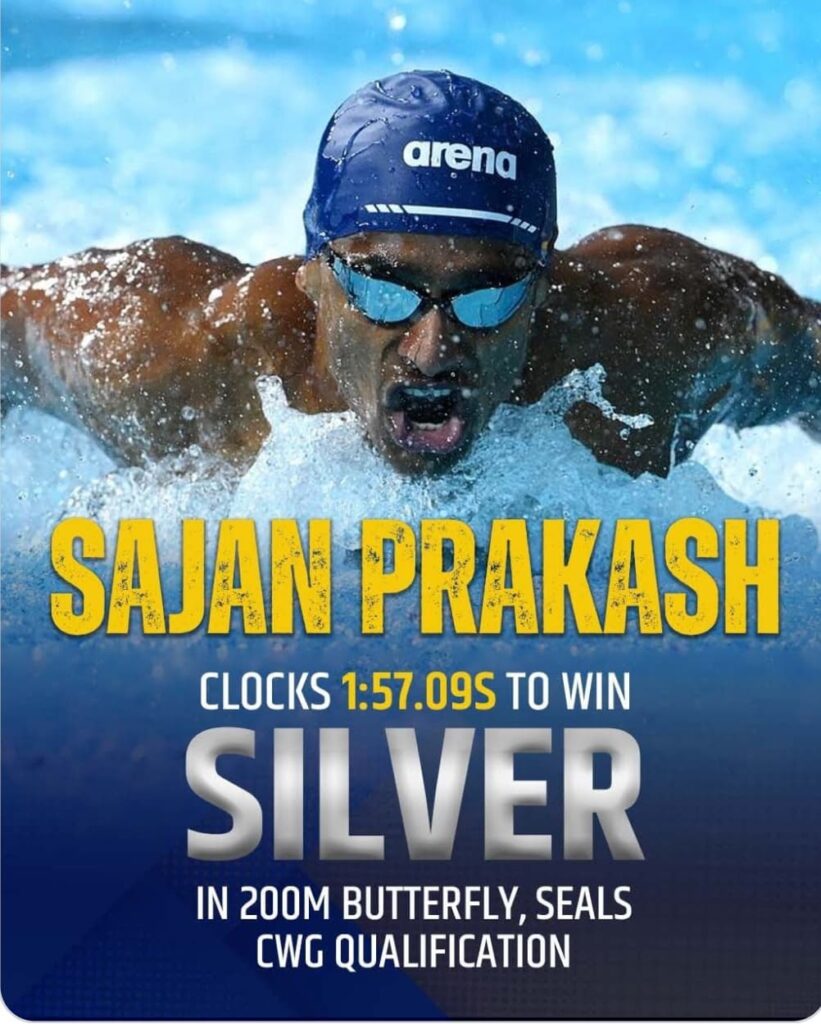
Prize money from domestic meets does not cover year-round costs, so sponsorship becomes a goal, not a base. A few swimmers do attract brand support, but the market is narrow and often linked to social reach as much as results.
Competition exposure and the international step
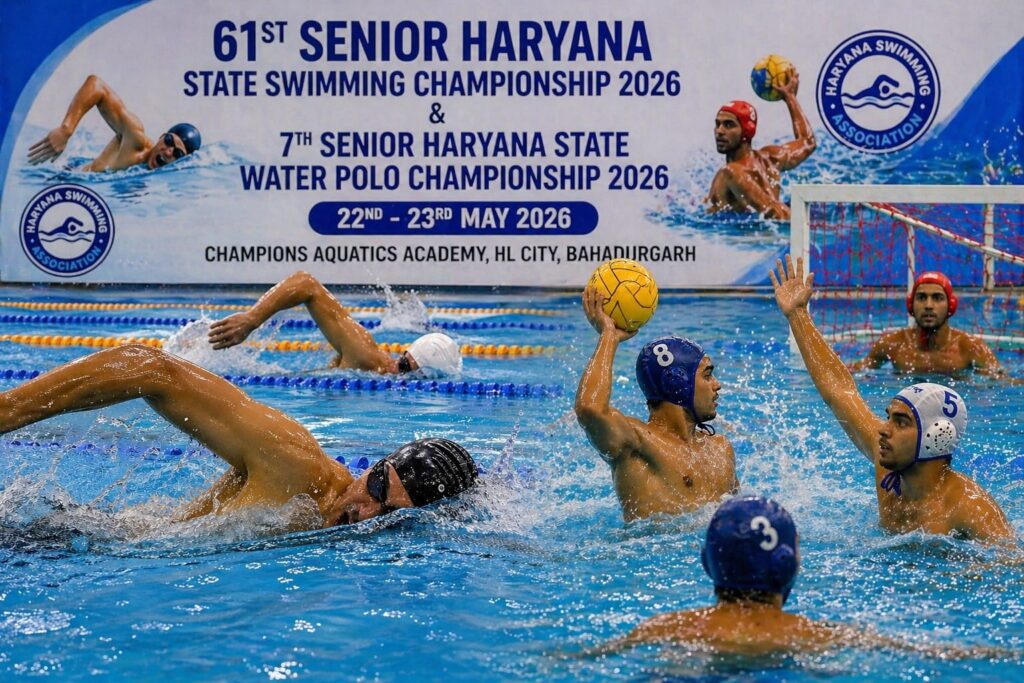
India’s top swimmers can dominate at national level, yet international progression needs racing against faster fields, often outside the country, with regularity. That demands budgets and planning. It also demands a high standard of officiating, timing, and meet management at home so that performance tracking is trusted and comparable. The calendar has improved, but the density of top-tier meets remains limited compared with countries that treat swimming as a medal sport with a heavy domestic circuit.
What “professional” can mean next
If India wants professional swimming to mean more than a job-linked safety net, the system needs three shifts. First, wider access to 50-metre pools and reliable training hours, including in non-metro centres. Second, structured athlete support that follows performance, not geography, including sports science and injury management. Third, a stronger competition pipeline, with meets that offer ranking value, travel support, and media coverage so sponsors see return.
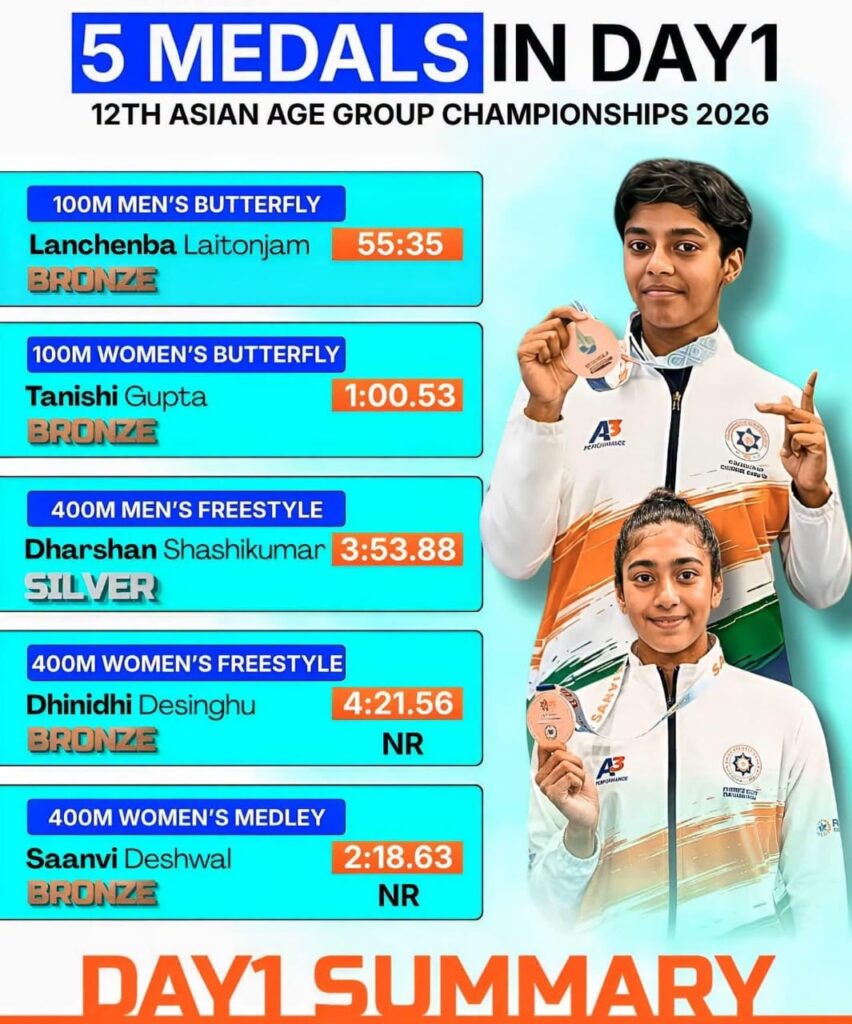
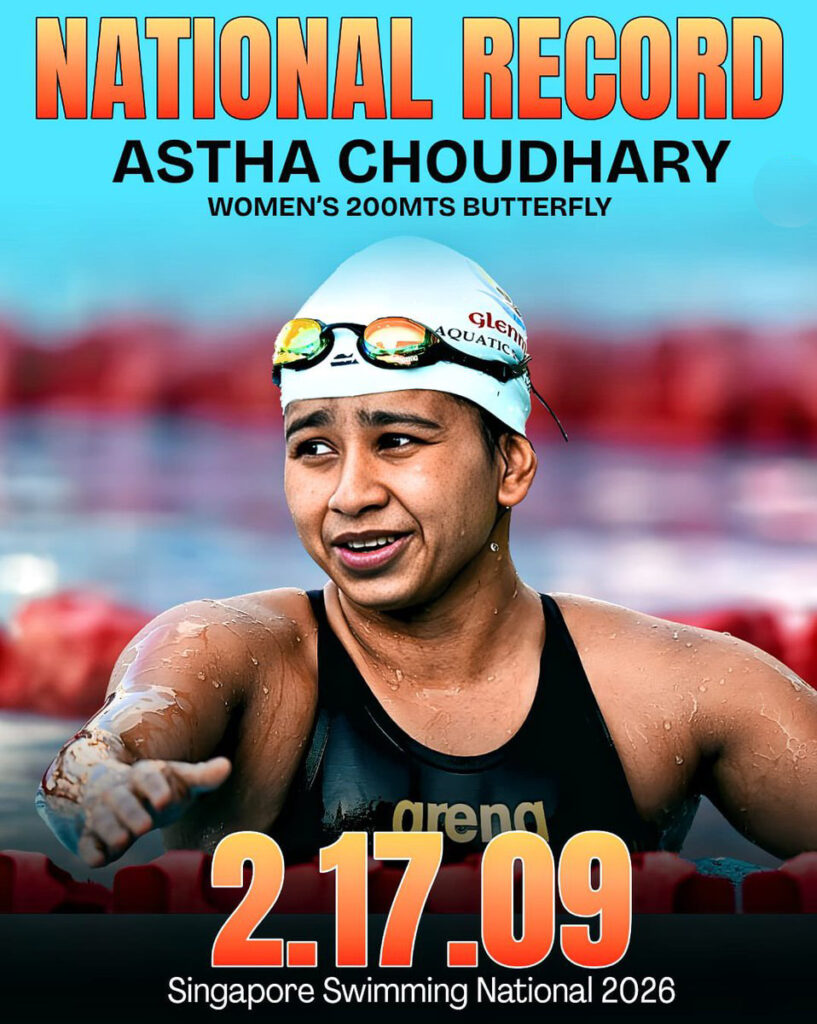
India has swimmers who can set national marks and show range across freestyle, backstroke, breaststroke, butterfly, and medley. The landscape is not empty. But until training access, coaching depth, and competitive exposure become stable across the country, professional swimming will continue to look like a career built on endurance off the pool as much as in it.
Thanks for reading....