Training Young Swimmers vs Training Seniors: Two Paths, One Pool
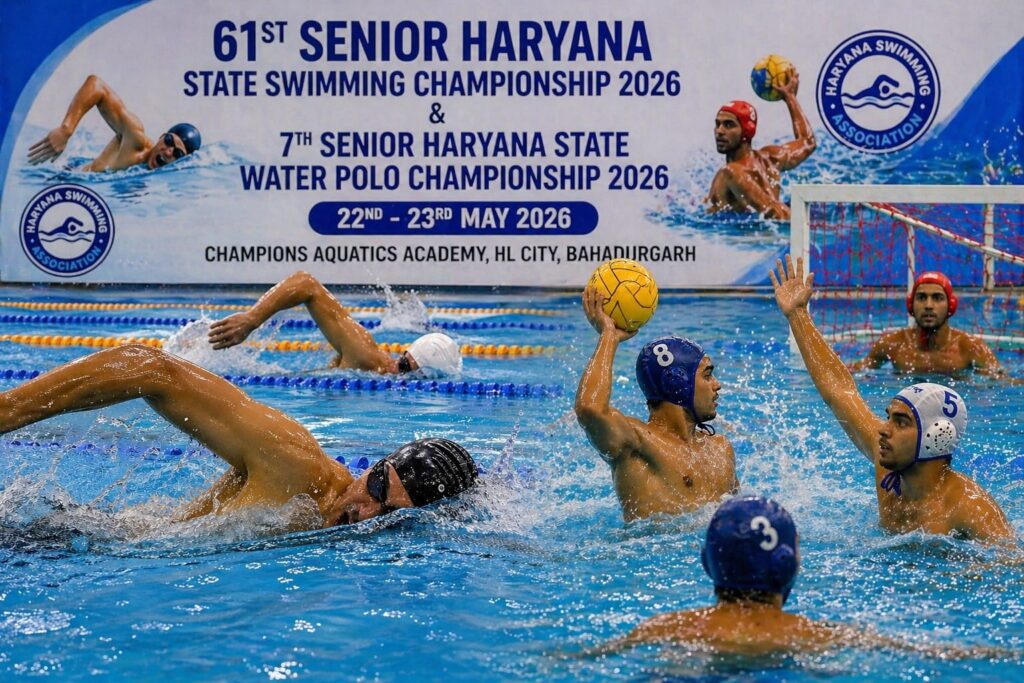
Swimming training looks similar on the surface across age groups. Lanes are marked, sets are written on boards, and time is measured in seconds. But the goals, pressures, and consequences of training change sharply as swimmers move from junior levels to senior competition. In India, this difference is often blurred, and that has implications for performance, retention, and long-term careers.
Building skills versus chasing results
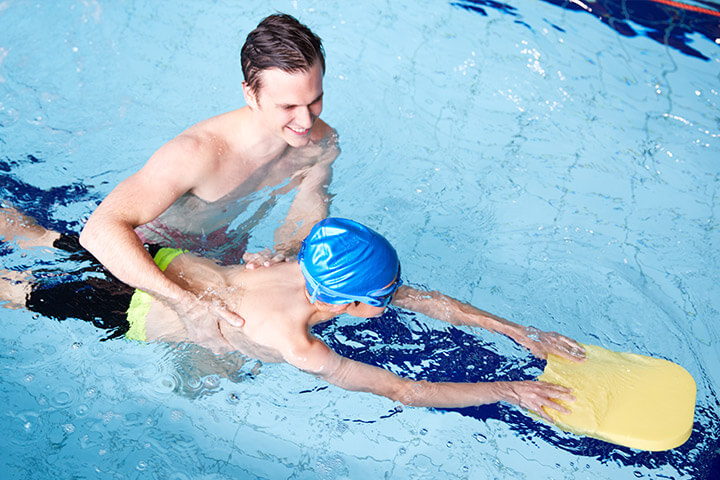
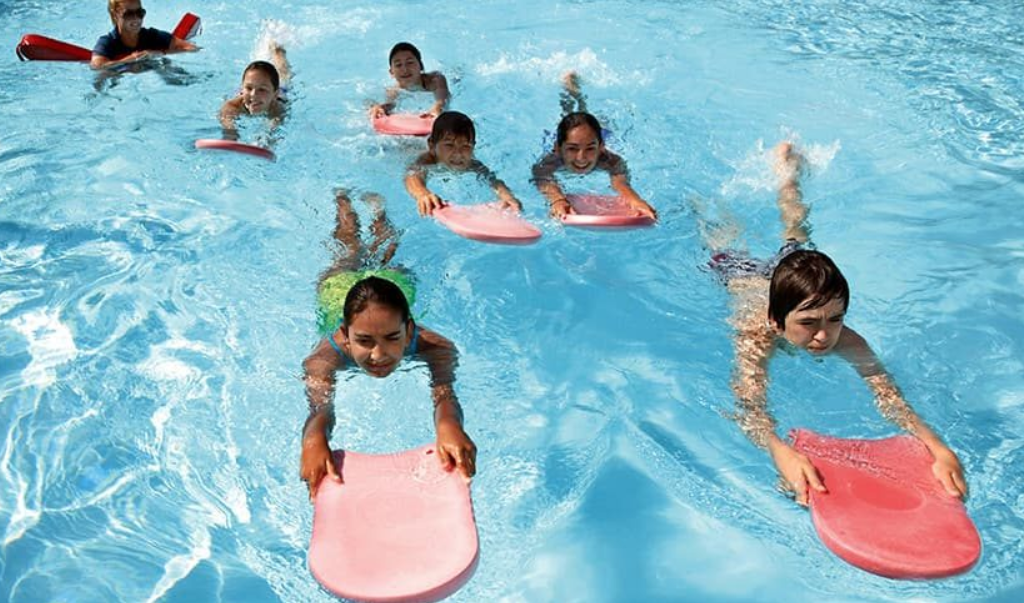
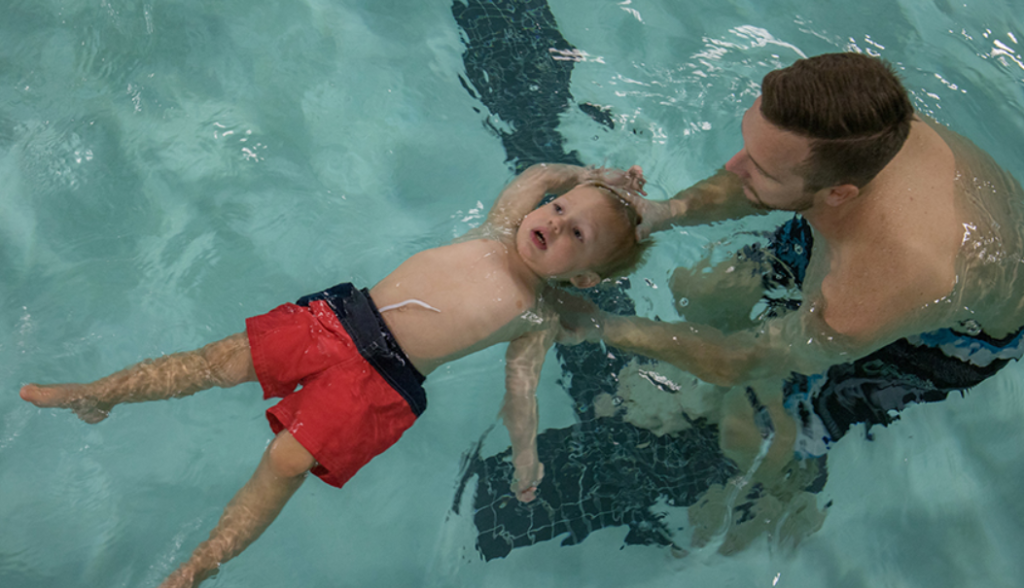
Training young swimmers is meant to focus on skill development. This stage is about learning body position, breathing control, turns, starts, and stroke mechanics across all four strokes. Volume matters, but it should support learning rather than replace it. At younger ages, exposure to multiple strokes and distances helps create adaptable athletes. The aim is not to peak early, but to build a base that can support harder training later.
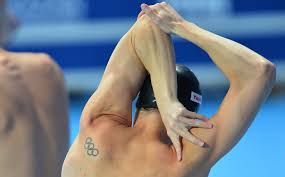
Senior swimmers, by contrast, train with outcomes in mind. Sessions are designed around race pace, event specificity, and season planning. The focus shifts from learning how to swim to swimming fast under pressure. Mistakes are corrected in smaller margins, and training choices are judged by results at trials and championships.
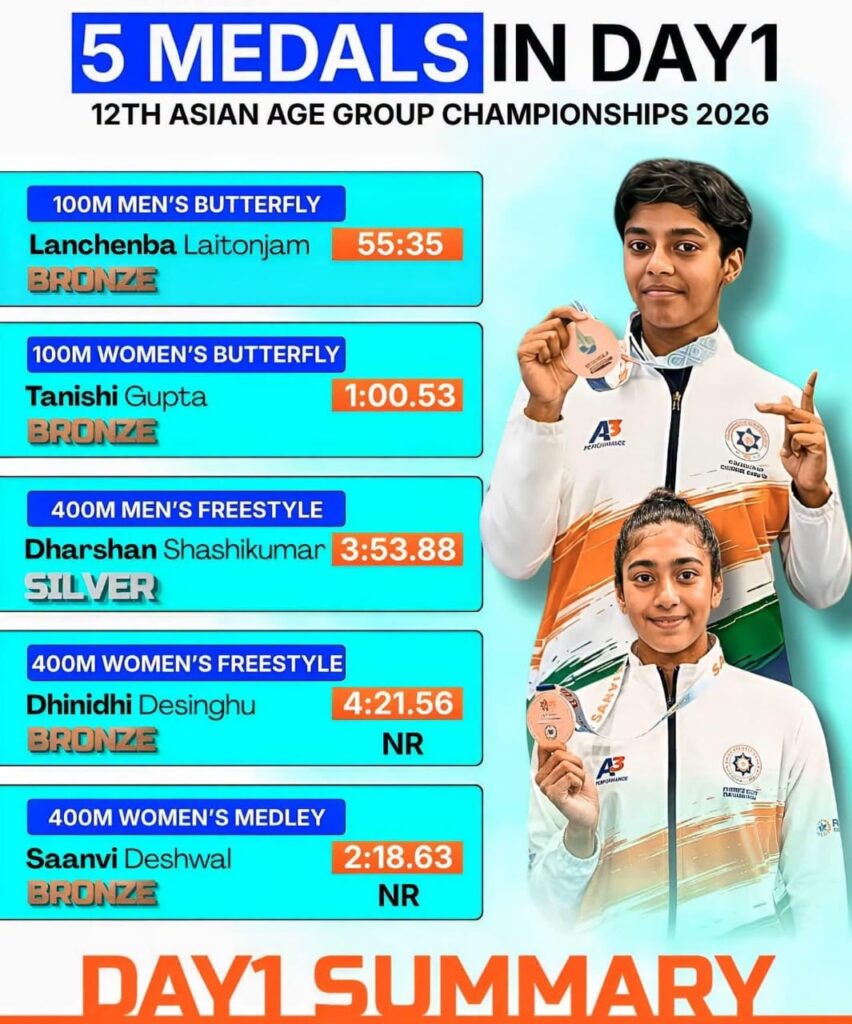
In India, these two stages often overlap. Young swimmers are pushed into high-volume programs early, sometimes mirroring senior sets. This can deliver short-term age-group success, but it also raises the risk of burnout and technical gaps that show up later.
Volume, intensity, and timing
For younger swimmers, training volume should increase gradually. The body is still adapting to growth, coordination changes, and academic demands. Recovery matters as much as distance covered. Consistency across months and years is more valuable than extreme workloads packed into short phases.
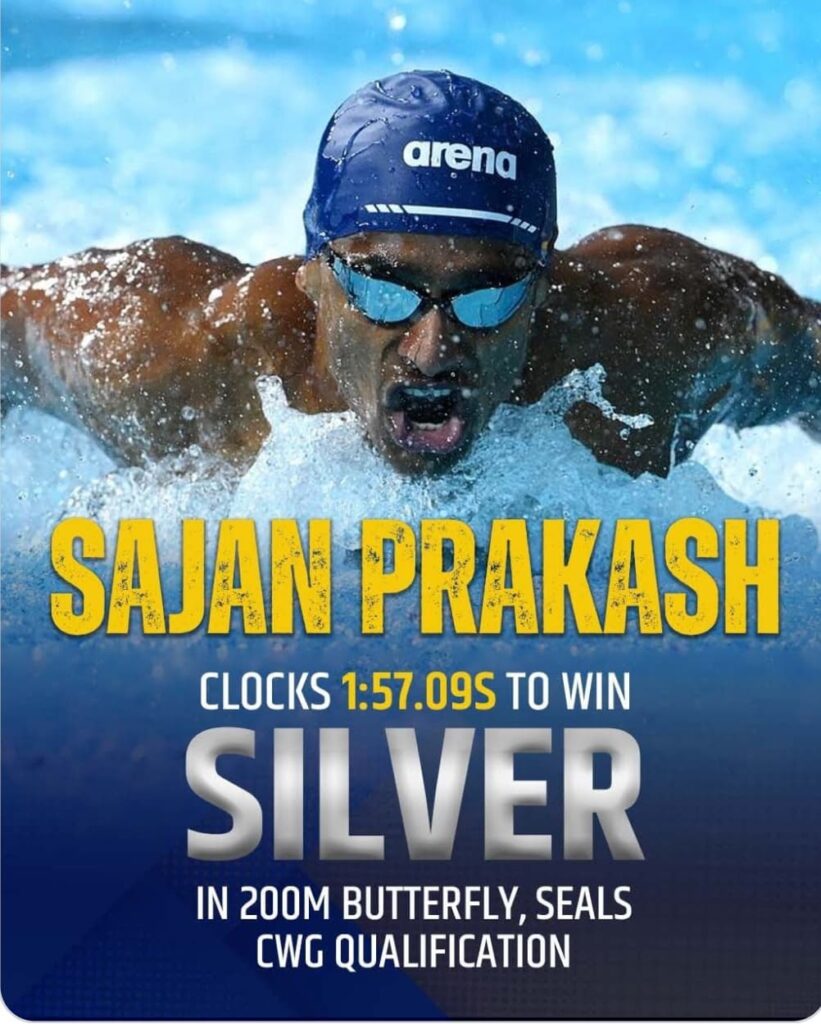
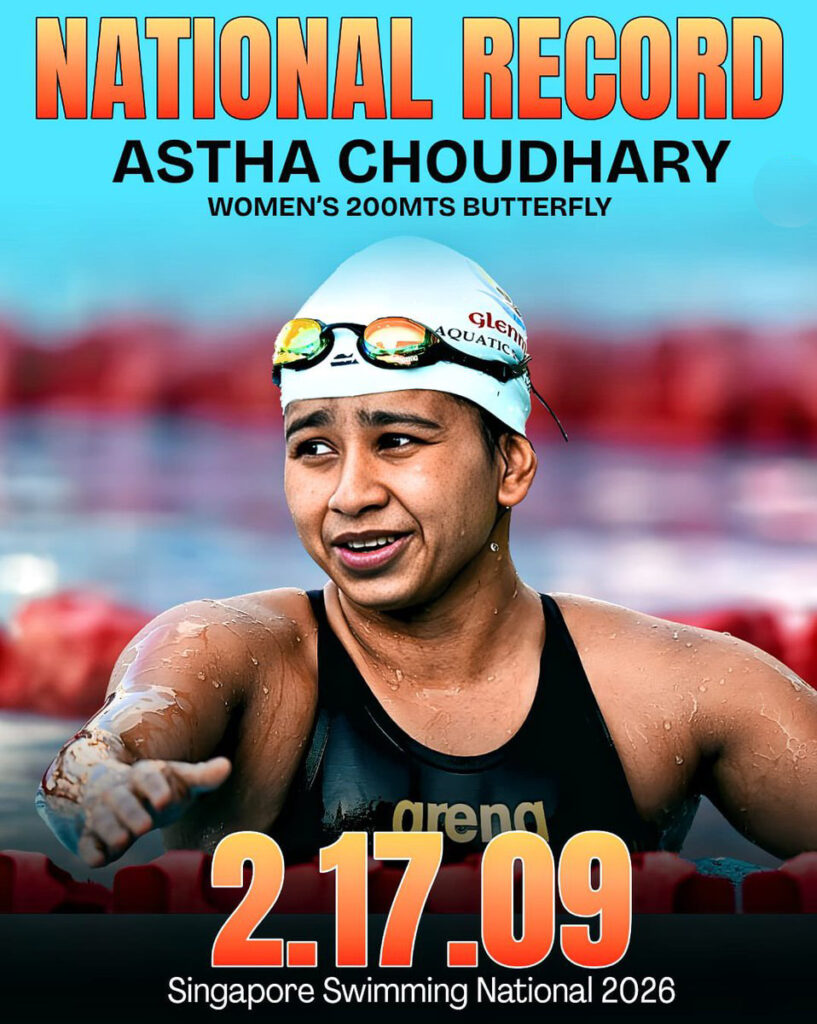
Senior swimmers operate in a different cycle. Volume and intensity are adjusted across the season, with clear peaks planned around trials and key meets. Recovery becomes structured, not optional. Missed sessions due to injury or illness can affect selection chances, so training plans often carry higher physical and mental load.
The challenge in India is that access to pool time is limited for both groups. When lane hours are scarce, coaches often compress training, leading young swimmers to train like seniors before they are ready, and seniors to train without enough recovery.
Coaching focus and feedback
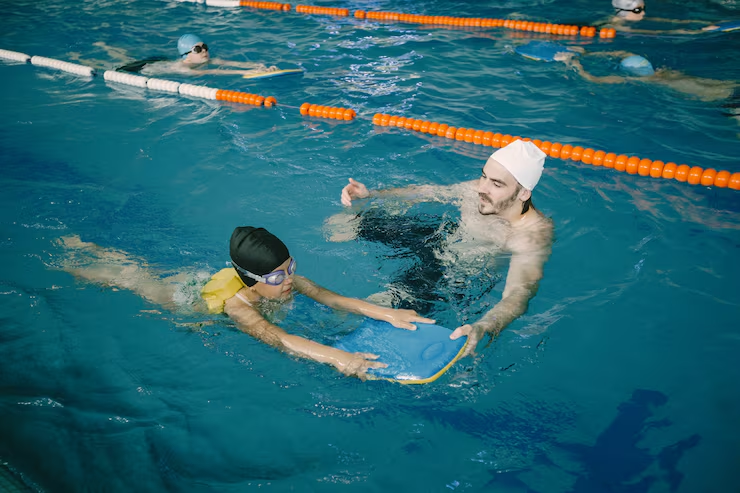
Coaching young swimmers requires patience and close supervision. Feedback needs to be frequent and simple. Coach-to-swimmer ratios matter, because technical correction is hard in crowded lanes. Progress is not linear, and plateaus are common.
Senior coaching is more analytical. Feedback is tied to splits, stroke rates, and race execution. Training decisions are often influenced by selection criteria and qualification times. Communication also changes, with seniors expected to manage parts of their routine independently.
In many Indian programs, the same coach handles both groups in the same session. This saves resources but stretches attention, often at the cost of younger swimmers’ technical development.
Managing pressure and expectations
Young swimmers should compete to learn how racing feels, not to defend rankings. When medals and records become the primary goal too early, training choices narrow. Seniors, however, live with constant evaluation. Trials can define seasons, funding, and jobs.
Blurring these expectations creates problems. Young swimmers absorb senior-level pressure without senior-level coping tools, while seniors carry the weight of results without full support systems.
Why the distinction matters
Training young swimmers and training seniors are not two versions of the same plan. They are different stages of the same journey. Treating them alike may deliver early wins, but it weakens the pathway to senior performance. For Indian swimming to progress, this distinction needs to be clear in planning, coaching education, and competition structure.
Thanks for reading....